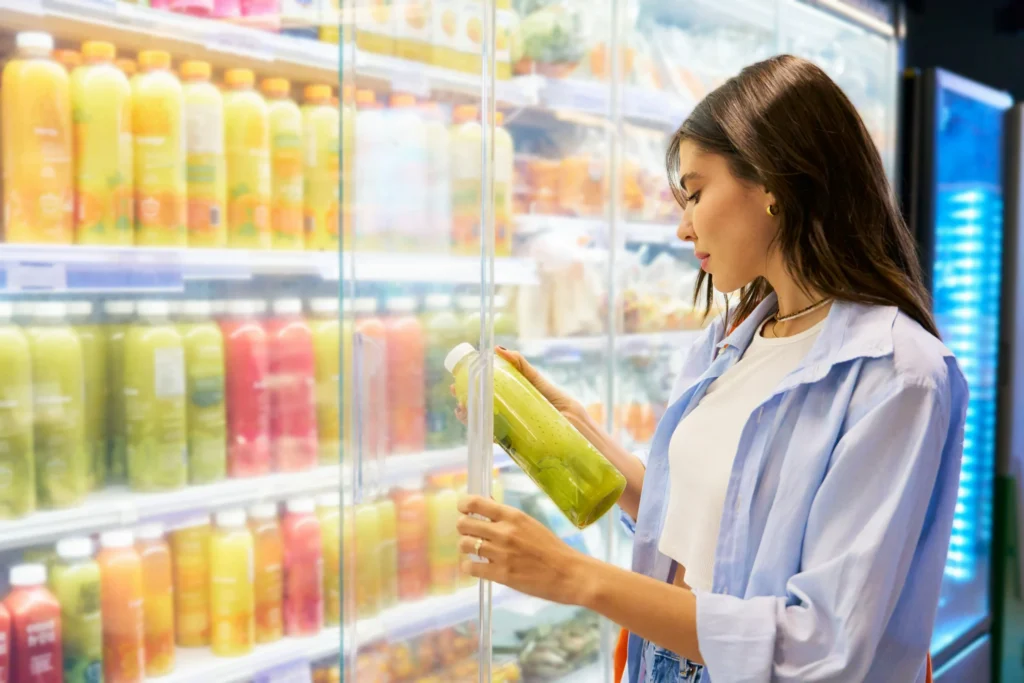
The future of UK convenience retail
The UK convenience estate stands at around 50,500 stores, 71% of them run by independents or symbol groups, with ACS forecasting sales of £54.9bn by 2031. It is a competitive, innovation-led market where new products must deliver value, convenience and differentiation at once. This blog combines MNGP’s experience with secondary research to look at where it goes next.
Growth is getting harder
IGD’s August 2026 forecast expects UK convenience to grow 2.5% a year between 2026 and 2031, adding £6.3bn in sales. That trails the 3.3% forecast for UK grocery overall, so convenience is expected to cede some share to online and discount.
The headline hides an important detail. Tobacco and vaping are a bigger part of convenience than of any other channel, and their decline is dragging the figure down. Excluding them, IGD forecasts 3.4% growth, just ahead of grocery as a whole. The growth is in food, drink and other non-tobacco categories, which is where product development and technical assurance matter most.
What will shape the next phase
Own label. It lets retailers differentiate, control their proposition and improve margins, but the retailer’s own name is on the product. Specifications, supplier approval, ingredient checks and labelling compliance become critical, and many organisations lack the in-house skills to manage them.
Value. Shoppers are more price-conscious, and IGD reports a perception that local stores are expensive. The answer is the right range at the right price points, built around core missions such as food-to-go, rather than simply cutting prices.
Food-to-go. Competition from specialists, cafés, forecourts and QSRs is intensifying. Quality, freshness, range and speed all count, and local suppliers add provenance, but food safety controls must sit behind all of it.
Technology. One in five stores now has self-service tills and 14% have electronic shelf-edge labels (ACS). These tools can make price, allergen and ingredient information easier to manage, provided the underlying product data is accurate.
Local relevance and delivery. 78% of retailers are active in their communities and almost half offer home delivery. The winners will tailor ranges to their catchment, and use delivery without handing too much control to aggregators.
Product assurance cannot be an afterthought
New products, own label ranges, imports and changing formulations all add technical workload, while consumers expect products to be safe, legal and accurately described. Before a product reaches the shelf, businesses need confidence that:
- The specification is accurate
- Ingredients are appropriate and legal
- Allergens are correctly declared
- Labelling meets UK requirements
- Claims are properly supported
- Suppliers meet the required standards
- Product information is controlled and current
For own label, the retailer’s brand is directly exposed to any failure. MNGP provides this level of service, supporting suppliers and making sure products are both legal and safe.
Looking ahead
Convenience is not disappearing, but the next phase of growth demands more. The winners will combine value, local relevance, product innovation, technology and strong execution, with the confidence that every product is safe, legal and fit for purpose.
The future of convenience isn’t simply about being closer to the customer. It’s about giving customers more reasons to choose you.
Sources: ACS; IGD UK convenience forecast, August 2026.
Technical Assurance, Business Confidence
Contact Email: team@mngp.co.uk for more information or complete the form below